Anal STDs: what you need to know and how to protect yourself
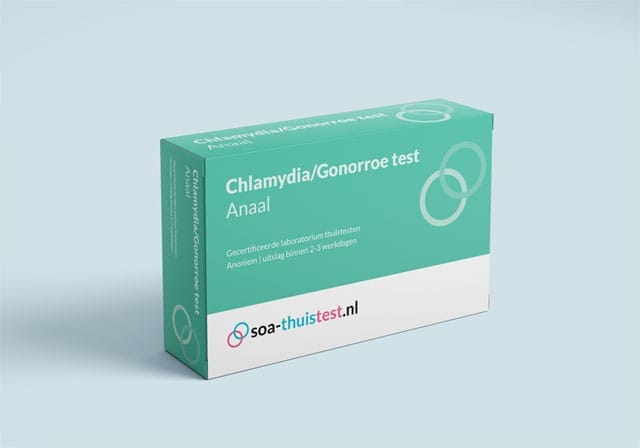
STDs (sexually transmitted diseases) are often associated with vaginal sex, but you can also contract them through anal sex. This risk applies to anyone who has unprotected anal sex, regardless of gender or sexual orientation. The lining of the anus - the rectal mucosa - is sensitive and vulnerable, making it easier for viruses and bacteria to enter the body.
Why the anus is especially susceptible to infection
Compared to the vaginal wall, the rectum is often thinner, less circulated and less protected from microtrauma. Inadequate lubrication or lack of protection can increase the risk of tearing, allowing pathogens to enter the mucosa more easily. Therefore, anal contacts pose an increased risk of infection with various STDs.
What STDs can manifest themselves anally?
1. Chlamydia
Chlamydia is een van de meest voorkomende bacteriële SOA’s en kan ook in het rectum aanwezig zijn. Vaak merk je er niets van, maar soms kun je last krijgen van:
- Pain when defecating
- Inflamed or swollen anus
- Abnormal discharge (e.g., mucus)
If chlamydia is left untreated, it can lead to more serious inflammation or tissue damage.
2. Gonorrhea (gonorrhea)
Gonorroe is een bacteriële infectie die het rectum kan aantasten. Symptomen kunnen zijn:
- Itching or irritation in the anus
- Pain when defecating
- Bloody discharge
- Painful, swollen lymph nodes around the anus
Early detection and treatment are crucial to prevent complications such as infection spreading to joints.
3. Syphilis
Syfilis begint meestal met een pijnloze zweer. Bij anale infectie kan die zich rond de anus of in het rectum bevinden. Zonder behandeling kan syfilis zich verder verspreiden en later ernstige schade veroorzaken aan organen en het zenuwstelsel.
4. Herpes (HSV).
Herpes, veroorzaakt door het herpes simplex-virus, kan anale symptomen veroorzaken zoals:
- Painful blisters or sores around the anus
- Burning pain or itching
- Redness and possible fluid loss
The virus often remains in the body and can return, even without symptoms. There is no cure, but antiviral drugs can reduce symptoms.
5. HPV (human papillomavirus).
HPV is a common viral infection. Sometimes anal warts develop or, in the longer term, HPV can contribute to the development of anus cancer. Often you don't notice much of an anal HPV infection, which makes screening and vigilance especially important.
Why it is essential to test
Due to shame, taboo or lack of knowledge, anal sex, anal complaints and the risk of anal STDs often remain under-reported. As a result, infections go unnoticed, allowing further spread. Many anal STDs progress without symptoms - so you can be infected without knowing it.
The only way to get certainty is through an STD test. If you have had anal contact, it is important to test that area as well. You can often take an anal swab yourself, which lowers the threshold.
STD test at OneDayClinic
At OneDayClinic, you can get an anonymous STD test. There are several testing options, including rapid tests with results within 90 minutes. If necessary, you can also opt for an anal swab to test more specifically for infections in that area.
When should you test?
- After unprotected anal sex
- If you have pain, itching, discharge or blood from the anus
- With alternating sexual partners
- If your partner has (had) an STD
- Before entering into a new relationship
How does an anal STD test work?
- Conversation with a health care provider about your sexual behavior
- Taking an anal swab yourself or having it done
- Possible blood sampling for additional tests
- Analysis in the lab
- Results often within one to a few days
How can you protect yourself from anal STDs?
- Always use a condom during anal sex
- Use lubricant to prevent wounds
- Limit your number of sexual partners
- Get tested regularly
Do you have symptoms or suspect you may have been at risk? Then take an STD test through OneDayClinic. This way you will quickly get clarity and, if necessary, you can start timely treatment.
Summary
Anal STDs are common and frequently go undetected. Infections such as chlamydia, gonorrhea, syphilis, herpes or HPV can all develop in the rectum. Testing is the only way to know for sure if you are infected. Using protection as well as regular STD testing is the best way to keep yourself and your partners healthy.